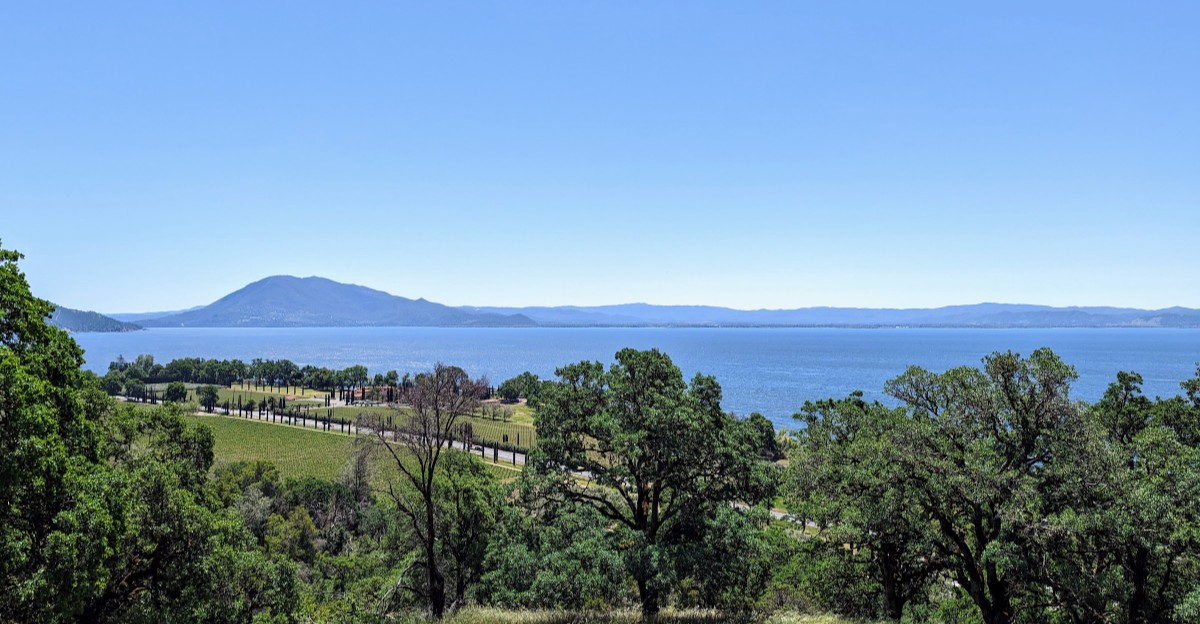
A dormant volcano rises straight out of the southern shore of this lake. It doesn’t sit off in the distance looking polite.
It plants itself right at the water’s edge.
The lake itself is at least 475,000 years old, and many experts call it the oldest lake in North America. Its shoreline stretches past 100 miles.
That’s a lot of room to find your own favorite cove.
I like how the name came from the clean air, not the water. Early settlers noticed the sky first.
The county still ranks among the cleanest-air spots in California today.
I can’t imagine a better mix of fishing, paddling, hiking, and old volcanic drama in one place. Bald eagles even show up for the view.
That Volcano On The Shore Is Not Just Decoration
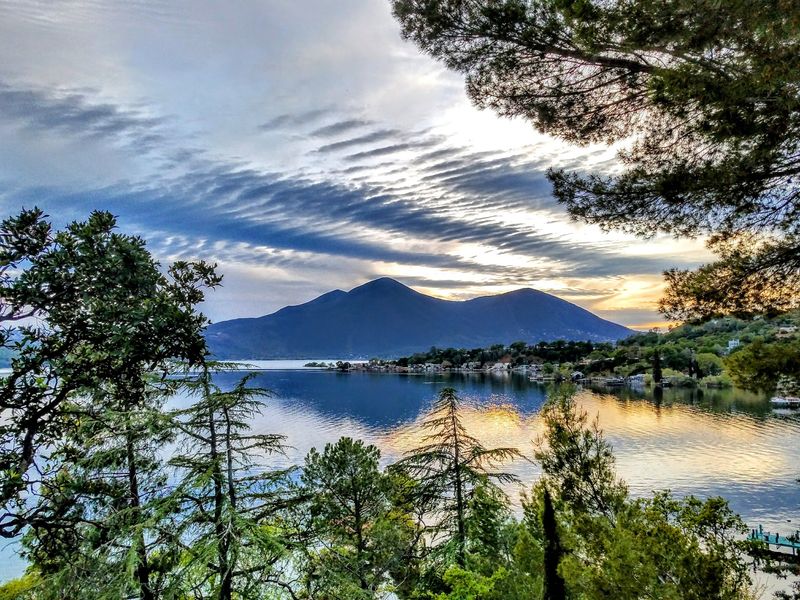
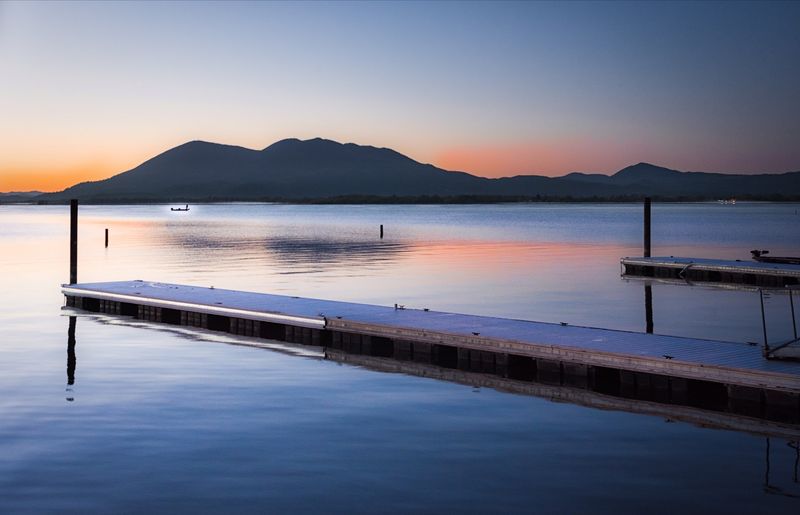
Mount Konocti doesn’t hang back on the horizon like most mountains. It rises directly from the southern shore of Clear Lake, giving the water a backdrop that feels almost staged.
The peak belongs to the Clear Lake Volcanic Field, a region shaped by eruptions over a very long stretch of time. The last known eruption in the field happened roughly 11,000 years ago, so things are calm these days.
Here’s a fun quirk. Mount Konocti is said to breathe, with air currents hinting at hidden passages that balance pressure inside the mountain.
That volcanic story also shaped the lake itself. The basin formed through stresses from the San Andreas Fault system plus volcanic activity and sinking ground over time.
Heat still moves beneath the surface too. Geothermal energy below the volcanic field powers The Geysers, the largest complex of geothermal power plants in the world.
That same underground warmth helps explain why the lake’s water runs warmer than many in California. Summer temperatures average around 75 degrees, which makes swimming far more inviting.
So when you look across the water at that big green slope, remember it’s more than scenery. It’s the reason this whole place exists, and it still has stories to tell.
You Might Need A Bigger Calendar To Explore 100 Miles Of Shoreline
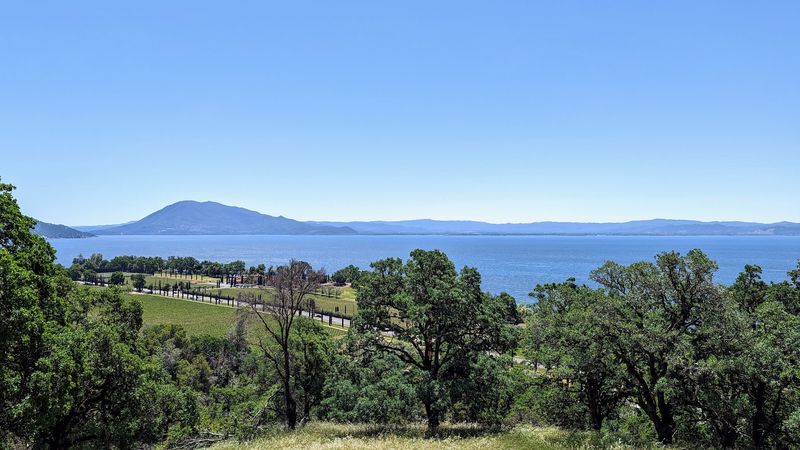
More than 100 miles of shoreline wrap around this lake. That’s enough edge to keep a curious traveler busy for many weekends.
Clear Lake covers about 68 square miles, making it the largest natural freshwater lake sitting entirely inside California. Lake Tahoe is bigger, but it shares space with Nevada.
Size doesn’t mean deep, though. The average depth hovers around 27 feet, and the deepest spots reach roughly 60 feet.
That shallow, wide shape helps the water warm up nicely in summer. Winter water drops to around 48 degrees, so plan your swim days wisely.
The shoreline also connects several small communities, each with its own personality.
The lake sits in Lake County, about two hours north of San Francisco. That makes it a realistic road trip from the Bay Area without needing a flight.
A smart plan is picking one side of the lake per visit. You’ll see more, drive less, and still have plenty left for next time.
Anglers Call It The Bass Capital Of The West For Good Reason
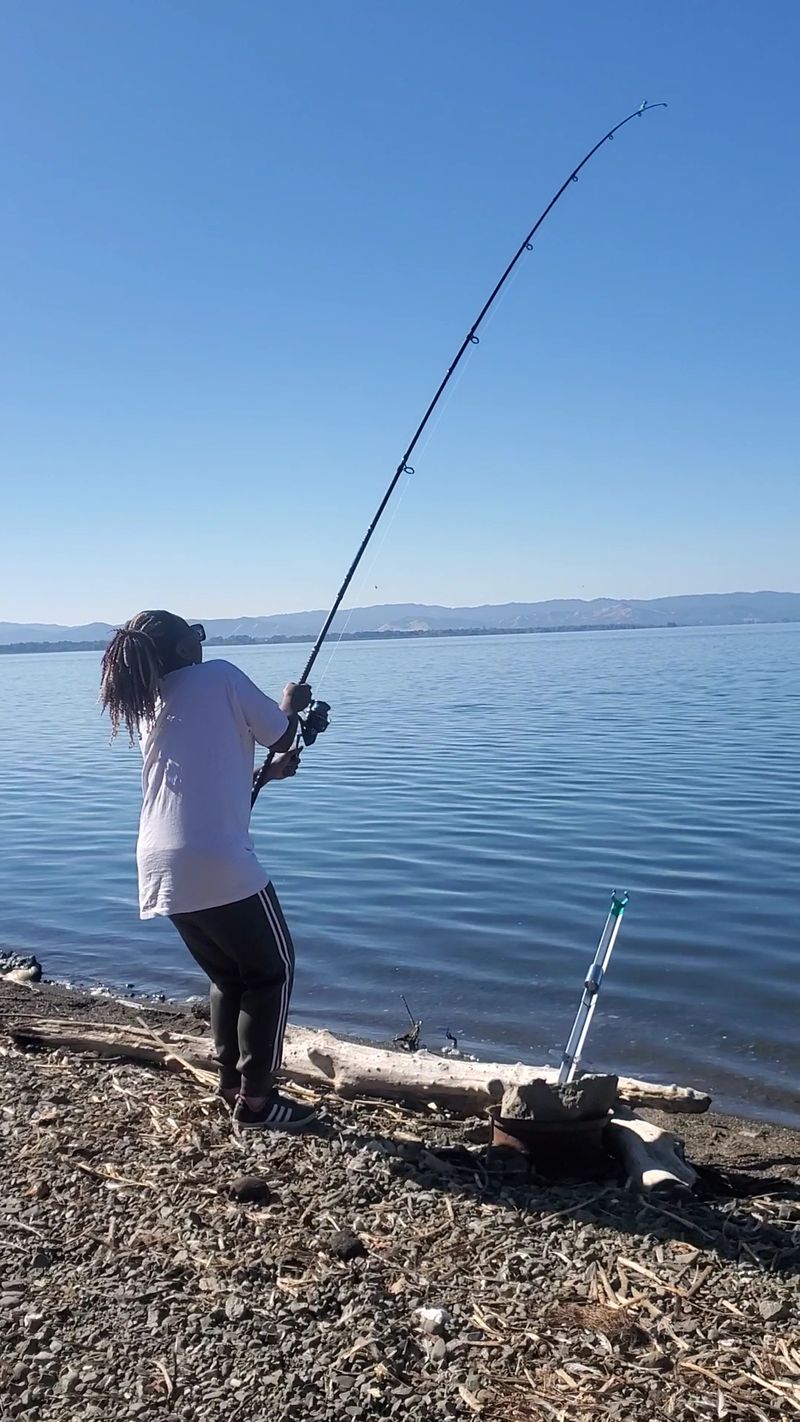
Bass Capital of the West is a bold nickname, and Clear Lake earns it. National fishing outlets have ranked it near the very top for years.
Bassmaster Magazine placed it third in the United States in 2016. ESPN once ranked it second in the entire world, which is quite the brag for a California lake.
Largemouth bass get most of the attention here. Still, you can also hook crappie, catfish, bluegill, and rainbow trout.
That mix makes the lake friendly for beginners and serious anglers alike. Kids can chase bluegill near the docks while grown-ups hunt for a trophy bass.
Tournaments happen throughout the year, so the water stays busy with competitive boats. If you prefer quiet fishing, check event calendars before you pick your dates.
Getting on the water is easy too. The lake has 11 free public boat launch ramps scattered around the shore.
Don’t own a boat? Plenty of local businesses rent them out.
Grab a California fishing license first, pack sunscreen, and bring a camera for that inevitable fish photo.
Warm Water Makes Every Kind Of Splash Feel Easy
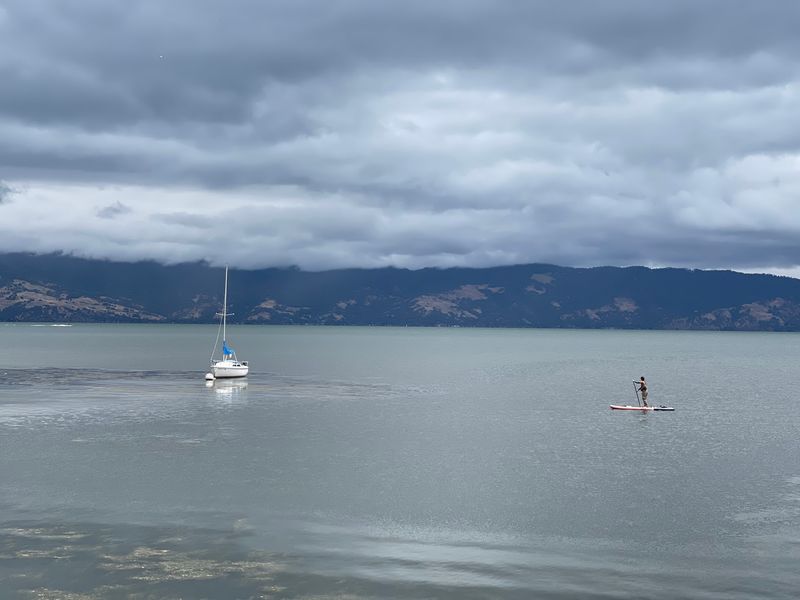
Cold lakes make you gasp. This one is different, with summer water averaging around 75 degrees thanks partly to geothermal heat below.
That warmth opens the door to nearly every water sport you can name. Boating, swimming, sailing, windsurfing, waterskiing, and jet skiing all happen here.
Prefer a slower pace? Kayaks and stand-up paddleboards are great ways to explore quiet coves along the shoreline.
With over 100 miles of edge, there’s room for both speed and calm. Fast boats can roam the open water while paddlers hug the reedy margins.
Rentals are easy to find around the lake. Many local businesses offer boats and personal watercraft, so you don’t need to tow anything from home.
A morning paddle is a smart move. Calmer conditions usually make it easier for beginners to find their balance on a board.
Bring water shoes, a life jacket, and plenty of sunscreen. The California sun gets strong, and you’ll likely stay out longer than planned.
Camp Beside The Water At A Park Dating Back To 1949
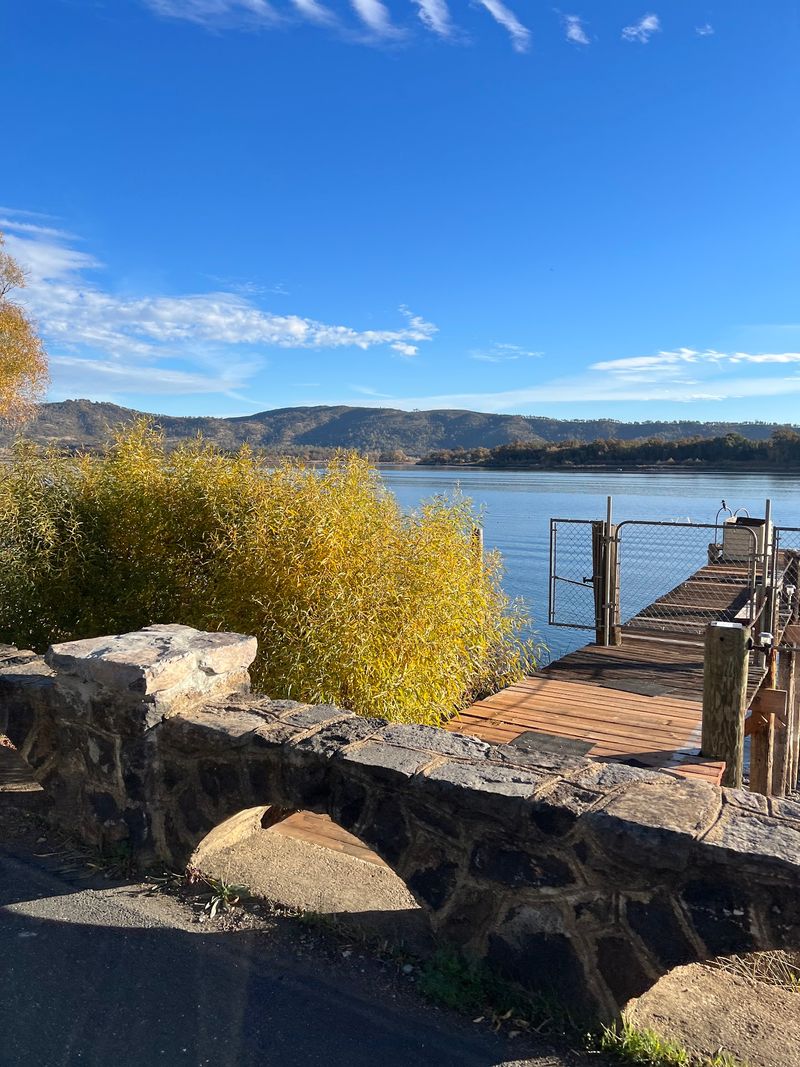
Sleeping a short stroll from the water sounds pretty great. Clear Lake State Park, near Kelseyville, has offered that chance since 1949.
The park has 149 developed campsites plus two group sites. Cabin rentals are available too, which helps if tents aren’t your thing.
RV travelers should know the campsites have no hookups. Plan your power and water needs before you arrive.
Daytime fun stays close by. The park includes a swimming beach, a boat launch, and a marina.
Hikers get options as well. The Indian Nature Trail, Dorn Trail, and Kelsey Creek Trail each offer a different look at the land.
A visitor center shares Pomo cultural history, adding real depth to a camping trip. Kids tend to remember a place more when they learn its story.
Reservations are wise during warm months, since lakeside camping in California fills quickly. Book early, pack layers for cooler nights, and enjoy waking up to the lake right outside.
Climb To The Summit For A 360-Degree Payoff
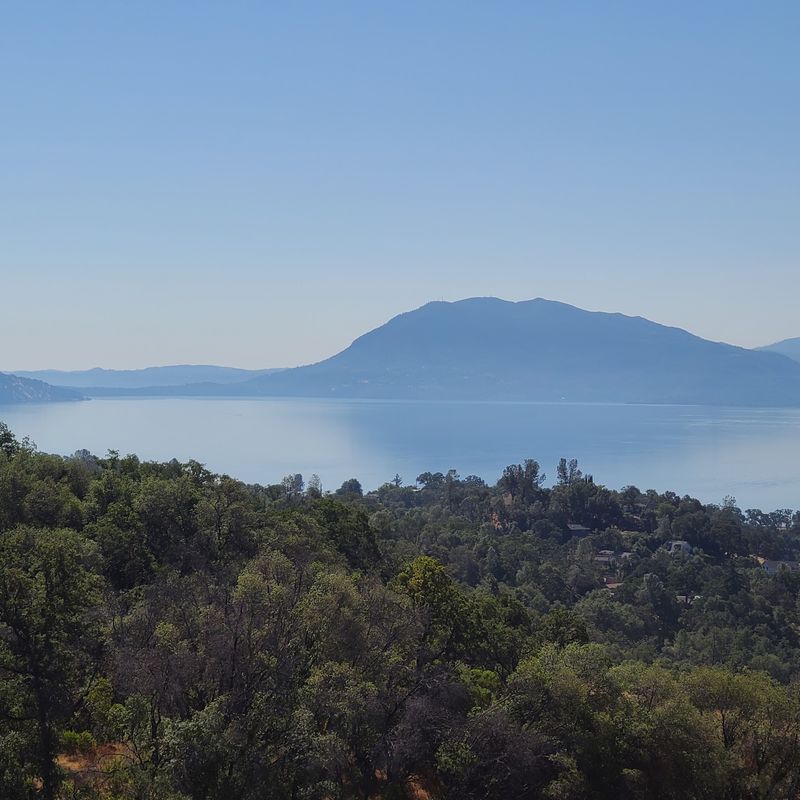
Some hikes reward you with a peek. The Wright Peak hike on Mount Konocti hands you the whole lake at once.
The trail runs about 3 miles to the summit. From the top, you get panoramic 360-degree views across Clear Lake and the surrounding countryside.
It’s a favorite outing in Lake County, and the reason is obvious once you reach the top. Seeing 100 miles of shoreline from above helps the size finally sink in.
You’re also standing on a dormant volcano. That’s a fun fact to share with anyone who claims your hike was just a walk.
Start early in summer, since afternoons can get hot. Carry more water than you think you’ll need.
Sturdy shoes matter on a mountain trail. A light snack and a hat will make the climb more pleasant too.
Bring a camera or phone with plenty of battery. The summit view is the kind you’ll want to show friends back home, even if photos never quite match the real thing.
Bring Binoculars Because Bald Eagles Live Here Too
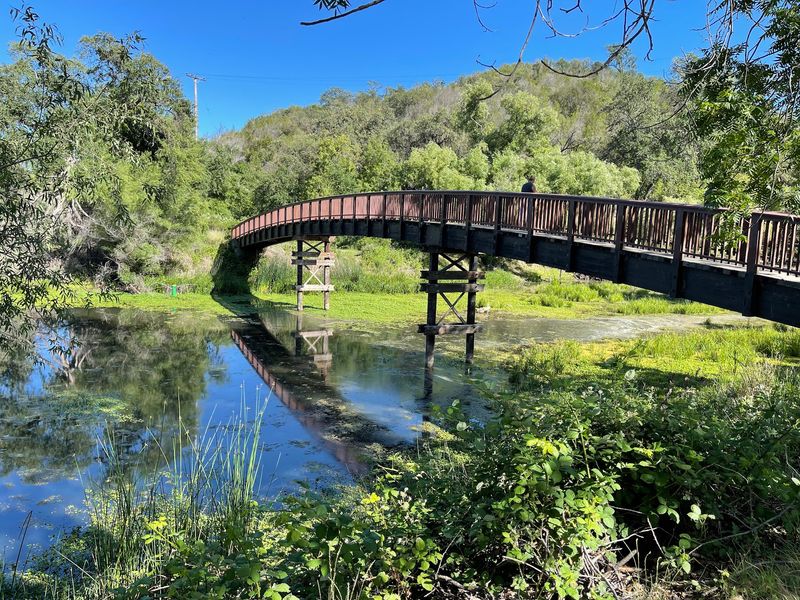
Over 150 bird species use this lake, which is a serious crowd of feathered neighbors. Clear Lake is recognized as an Important Bird Area.
Bald eagles are the headliners. Osprey and western grebes add plenty of action too, especially near quiet water and marshes.
A large colony of bald eagles can be found in the Cache Creek canyon. That’s a big deal for anyone who’s only seen eagles on a coin.
The lake supports one of the richest freshwater ecosystems in the western United States. Healthy fish populations help explain why so many hunting birds stick around.
Land animals have a story here too. Rare tule elk have been reintroduced to Lake County.
Anderson Marsh Historic Park makes a great base for wildlife watching. Its 540 acres include marshland, oak grassland, and walking trails.
Bring binoculars, move slowly, and keep your voice low. Early mornings often feel calmer, and patience usually pays off with at least one great sighting.
People Have Called These Shores Home For 11,000 Years
Long before boat ramps and campsites, this basin had residents. Native peoples have lived around Clear Lake for at least 11,000 years.
The Pomo, Lake Miwok, and Wappo peoples all have deep ties to the region. The Pomo are especially famous for their skilled basketry.
Archaeological evidence has turned up at places like Borax Lake and Rattlesnake Island. Those sites help tell a story much older than any town on the map.
European settlement arrived in the mid-1800s. Later that century, travelers came looking for mineral springs and hot springs resorts.
Anderson Marsh Historic Park keeps several chapters alive. It features an 1850s ranch house and trails that preserve Native American and early settler history.
In Lakeport, the Historic Courthouse Museum offers another look at Lake County’s past. It’s an easy stop on a rainy afternoon.
Upper Lake adds Gold Rush-era flavor along Main Street. The Tallman Hotel there was first built in 1874 and restored in 2006, which shows how long people have loved this corner of California.
After Dark, Clean Air Turns The Sky Into The Main Show
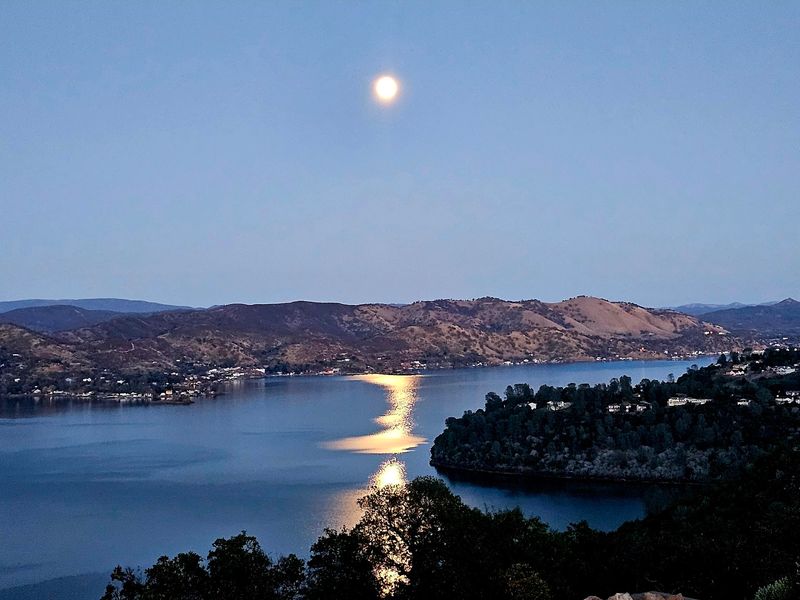
Remember that name origin? The settlers who called it Clear Lake were praising the air, and that clean air still matters after sunset.
Lake County consistently earns recognition for some of the cleanest air in California. Clear air plus dark skies makes stargazing a real treat here.
Taylor Observatory in Kelseyville offers public viewings. Looking through a proper telescope beats squinting at your phone app by a mile.
Daytime fun keeps going around town too. In the city of Clearlake, Austin Park covers over 20 acres with playgrounds, picnic spots, a boat launch, and swimming.
Lakeport’s Library Park offers lake views and a relaxed spot for fishing. It’s a nice place to rest before the stars come out.
Planning paperwork? Clearlake City Hall sits at 14050 Olympic Drive, Clearlake, CA 95422, a handy reference for local questions.
Pack a blanket and a warm layer for evenings. Then look up, find the dark outline of Mount Konocti, and let the sky do the rest.
Leave a Reply